



Heart Palpitations After Eating: Unveiling the Culprits
- Foodhealth
- September 1, 2023
- No Comment
- 44
Introduction: Meet Dr. Millie Lee
In the realm of cardiology, Dr. Millie Lee is a distinguished name. With a wealth of experience and a passion for understanding the intricacies of the human heart, she is here to guide us through a common yet often puzzling phenomenon: heart palpitations after eating. Whether you’ve experienced these unsettling sensations or are simply curious about their causes and solutions, join us on this journey as we explore the heart’s rhythm and the menu’s influence.
Unraveling the Mystery: Heart Palpitations Defined
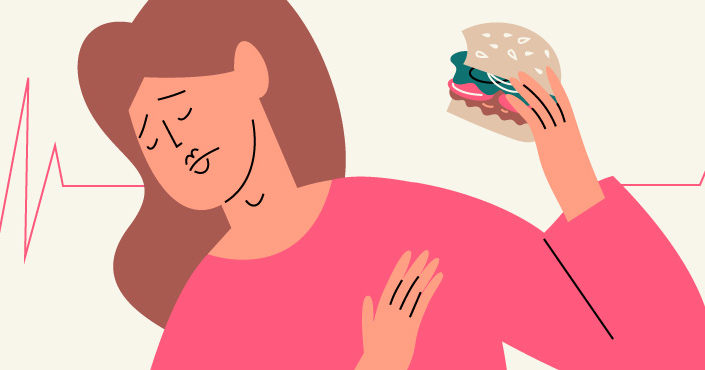
Before we dive into the heart of the matter, let’s clarify what heart palpitations are. These are irregular heartbeats that can feel like your heart is fluttering, pounding, or skipping a beat. They can occur at any time but are often noticed after meals. Dr. Millie Lee explains that several factors can trigger these palpitations:
| Factor | Influence on Heart Palpitations |
|---|---|
| Food Choices | Certain foods and ingredients can stimulate the heart. |
| Portion Size | Overeating can strain the heart and cause palpitations. |
| Timing | Eating too quickly or lying down immediately after a meal can contribute. |

Culprits on the Plate: Foods and Ingredients
Now, let’s explore the role of specific foods and ingredients in causing post-meal palpitations. Dr. Lee highlights some common culprits:
| Food/Ingredient | Influence on Heart Palpitations |
|---|---|
| Caffeine | Found in coffee, tea, and chocolate, it can stimulate the heart. |
| Spicy Foods | Can increase heart rate and trigger palpitations in sensitive individuals. |
| High Sugar Foods | Cause rapid blood sugar spikes, affecting heart rhythm. |
A Balanced Diet for a Steady Heart
Maintaining a balanced diet is essential for heart health. Dr. Millie Lee advises a heart-healthy diet that includes:
- Lean Proteins: Incorporate lean proteins like poultry, fish, and legumes into your meals.
- Fruits and Vegetables: These provide essential vitamins and antioxidants.
- Whole Grains: Opt for whole grains over refined carbohydrates.
- Hydration: Stay adequately hydrated with water, herbal tea, or decaffeinated beverages.
The Importance of Mindful Eating
Eating mindfully can prevent overeating and post-meal discomfort. Dr. Lee suggests these mindful eating practices:
- Chew Slowly: Take your time to chew each bite thoroughly.
- Savor the Moment: Enjoy the flavors and textures of your meal.
- Portion Control: Be mindful of portion sizes to avoid overindulging.
Beyond the Plate: Lifestyle Factors
While diet plays a significant role in heart palpitations after eating, lifestyle factors can exacerbate the issue. Dr. Millie Lee emphasizes the importance of:
| Lifestyle Factor | Impact on Heart Health |
|---|---|
| Stress Reduction | High stress levels can contribute to palpitations. |
| Physical Activity | Regular exercise promotes heart health and digestion. |
| Posture | Avoid lying down immediately after eating to aid digestion. |
Conclusion: A Heart-Healthy Journey
In our exploration of heart palpitations after eating, guided by the expertise of Dr. Millie Lee, we’ve unraveled the mystery behind this common phenomenon. By understanding the role of food choices, portion sizes, and mindful eating, you can take control of your heart health. Remember that a heart-healthy lifestyle extends beyond the plate, encompassing stress management, physical activity, and good posture. So, savor your meals, nurture your heart, and embark on a journey to a healthier, happier you. Your heart will thank you for it.





