



Dengue Fever vs. COVID-19 Differences & Similarities
- health
- August 8, 2023
- No Comment
- 47
Introduction: Navigating Two Global Health Challenges
In an era of interconnectedness, infectious diseases remain a pressing concern for global health. Dengue Fever and COVID-19 have captured global attention due to their far-reaching impacts. By examining the key differences and similarities between these two diseases, we can enhance our understanding and response to these complex health challenges.
Dengue Fever: Unraveling the Basics
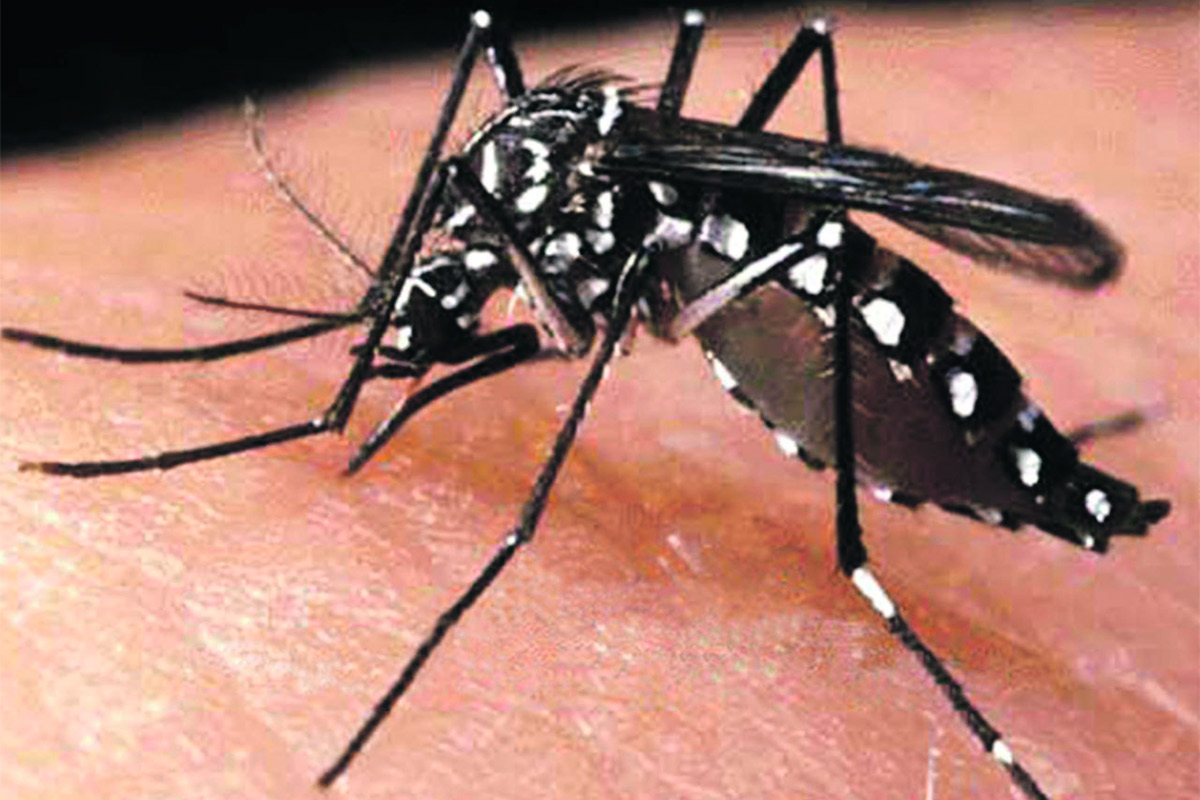
Dengue Fever, caused by the dengue virus, is primarily transmitted through the bites of infected Aedes mosquitoes. Its symptoms range from mild fever, severe headaches, and joint pain to potentially life-threatening complications like dengue hemorrhagic fever. Endemic to tropical and subtropical regions, dengue has long been a health concern, especially in densely populated urban areas.
COVID-19: The Pandemic Paradigm
In contrast, COVID-19 is caused by the novel coronavirus SARS-CoV-2. Its symptoms encompass a wide spectrum, from mild respiratory issues to severe pneumonia and acute respiratory distress syndrome (ARDS). Unlike dengue, COVID-19 spreads primarily through respiratory droplets, often leading to community-wide transmission. The pandemic has altered daily routines, strained healthcare systems, and prompted global cooperation in developing vaccines and public health measures.
Contrasts and Comparisons: Dengue vs. COVID-19
While Dengue Fever and COVID-19 differ significantly, they also share certain characteristics. The incubation period for dengue ranges from 4 to 10 days, while COVID-19 symptoms typically appear within 2 to 14 days. Dengue is seasonal, influenced by mosquito activity and weather conditions, while COVID-19’s transmission persists throughout the year.
Symptomatically, dengue is marked by sudden onset high fever, joint pain, and rash, while COVID-19 commonly presents with fever, cough, and shortness of breath. Although both diseases affect various age groups, COVID-19 tends to be more severe in older adults and individuals with pre-existing conditions, while dengue can affect people of all ages.
Preventive measures differ as well. Dengue prevention involves mosquito control, while COVID-19 prevention emphasizes vaccination, mask-wearing, and physical distancing. Public health strategies play a crucial role in containing both diseases, from vector control for dengue to testing, contact tracing, and quarantine measures for COVID-19.
Conclusion: Empowering a Healthier Future
In conclusion, Dengue Fever and COVID-19 stand as distinct yet interconnected health challenges. Understanding their unique features, modes of transmission, and impact on society is essential for effective prevention and response. As global citizens, staying informed, practicing good hygiene, and supporting public health efforts are vital steps toward a healthier, safer future for all.





