


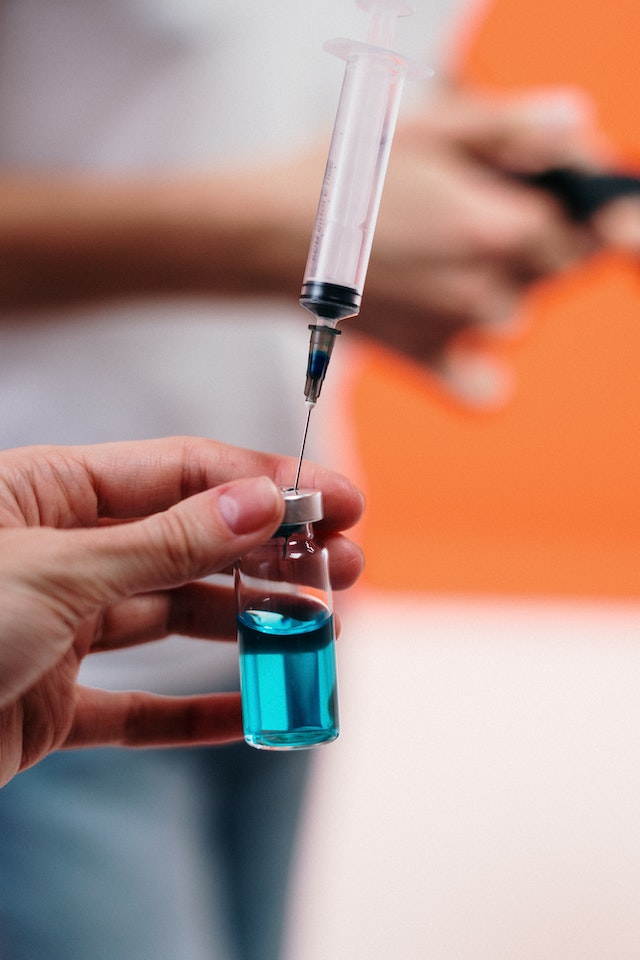

Vaccine Production Unveiled Inside the Intricate Lab Process
- health
- July 6, 2023
- No Comment
- 50
Introduction: Why Labs are Important in Making Vaccines
Vaccines have been instrumental in preventing and eradicating diseases, protecting communities worldwide. Laboratories are very important in making vaccines. This article explores the interesting world of making vaccines in the lab. It talks about the different stages, advanced technologies used, and how quality control is important for safe and effective vaccines.
From Research to Production: The Journey of a Vaccine
Scientists start the journey of making a vaccine by doing thorough research and development in special labs. Scientists and researchers tirelessly investigate various antigens, analyze how they behave, and formulate vaccines that actually do their job. This initial stage involves rigorous testing, optimization, and evaluation of potential candidates before moving forward to production.
Once a vaccine with potential is found, the manufacturing process starts. This means growing a lot of the things we need, like viruses or bacteria, and making the vaccine. The way things are made follows very strict rules to keep them the same, pure, and not dangerous.
Lab techniques and fancy technologies used to make vaccines
To make vaccines better, scientists in labs employ a variety of techniques and the latest technologies. To create vaccines, scientists employ advanced biotechnological methods including genetic engineering and recombinant DNA technology. These methods help them make vaccine antigens that copy the components of the targeted germ. By utilizing this process, vaccines can be produced without the requirement for live pathogens, improving safety and scalability.
Furthermore, vaccine production heavily relies on cell culture techniques. Animal-based and human-derived cells are raised in controlled laboratory environments by scientists. These labs provide the necessary conditions to investigate viruses and generate viral proteins for vaccines. These techniques allow for the mass production of vaccines while maintaining quality and consistency.
Ensuring Safety and Quality: Why Lab-Based Quality Control is Important
Laboratory-based quality control is paramount in vaccine production to ensure safety and efficacy. To make sure the vaccines are good, they do careful testing and analysis throughout production. This includes tests for sterility, identity, and quantity of antigens, as well as assessments of stability and shelf-life.
In addition, there are strong safety checks to discover and get rid of anything that could make the vaccines dangerous. Following strict standards set by regulatory authorities requires extensive testing, documentation, and regulatory compliance.
In summary, developing vaccines in a lab involves intricate and thorough steps. Laboratories have a crucial part in the development, production, and guaranteeing the safety and excellence of vaccines. Using advanced technology and following strict quality checks, labs help create vaccines that protect communities and save lives.





