



Migration Patterns of Whales Where They Go and Why
- Pet and animal
- May 19, 2023
- No Comment
- 37
Introduction: The oceans of the world bear witness to one of nature’s most awe-inspiring phenomena—the great migrations of whales. These majestic creatures embark on epic journeys spanning thousands of miles, crossing vast oceanic expanses in search of food, breeding grounds, and favorable environments. In this article, we delve into the remarkable migration patterns of whales, exploring their destinations and the driving forces behind these awe-inspiring journeys.
- Seasonal Feeding Grounds: Whales undertake migrations primarily to access abundant food sources, with many species following seasonal patterns. For example:
- The Gray Whale: The gray whale undertakes one of the longest migrations of any mammal, traveling over 10,000 miles each year. In the winter months, these whales leave their summer feeding grounds in the Arctic and travel south along the North American coastline to the warm waters of Mexico’s Baja California. The calm, protected lagoons of Baja California serve as their winter breeding and calving grounds, where they rely on the abundant supply of nutrient-rich sediments and small invertebrates.
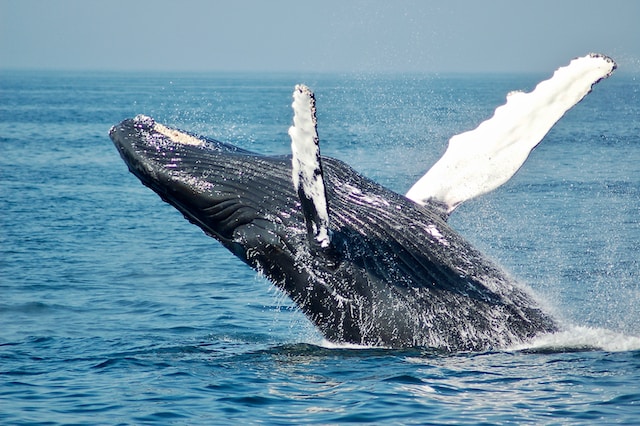
- The Humpback Whale: Humpback whales are renowned for their spectacular migratory journeys. They travel from polar feeding grounds, such as Alaska and Antarctica, to warmer waters near the equator for breeding and calving. The precise destinations can vary among humpback populations, with some venturing to tropical regions like Hawaii, while others migrate to places like the Caribbean Sea.
- Breeding and Calving Grounds: Whales often migrate to specific areas where conditions are favorable for breeding and giving birth to their young. These calving grounds provide protection and abundant food sources for both mothers and their calves. Notable examples include:
- The Right Whale: The North Atlantic right whale undertakes a significant migration to the warmer waters of the southeastern United States during the winter months. These waters serve as their calving grounds, providing the newborn calves with a safe environment and ample nourishment. The coastal regions of Georgia and Florida are key destinations for these critically endangered whales.
- Favorable Environmental Conditions: Whales are highly attuned to environmental factors such as water temperature, currents, and prey availability, which influence their migration patterns. They navigate vast distances, guided by their instincts and the complex interactions between their internal biological clocks and external cues. These factors play a role in determining when and where whales migrate.
- Cultural Transmission and Learning: Whale migrations are not solely driven by biological factors but are also influenced by cultural transmission within their populations. Knowledge of migration routes and destinations is passed down from generation to generation, allowing whales to follow established paths. This cultural transmission ensures the survival of migratory traditions and plays a crucial role in the overall dynamics and resilience of whale populations.
Conclusion: The migration patterns of whales are a testament to their remarkable adaptability and survival strategies. From the cold waters of the Arctic to the tropical shores, these oceanic giants embark on incredible journeys, driven by the search for food, breeding opportunities, and favorable environments. By understanding and appreciating the intricacies of whale migration, we gain a deeper appreciation for the interconnectedness of marine ecosystems and the vital role these magnificent creatures play in maintaining the health and balance of our oceans. As we strive to protect and conserve whale populations, it is crucial to safeguard their migratory routes and preserve the habitats they rely on, ensuring the continuation of these awe-inspiring migrations for generations to come.





