



The Mediterranean Magic: Slashing Women’s Heart Disease Risk by 24% Through Diet
- Uncategorized
- May 18, 2023
- No Comment
- 38
Introduction:
Heart disease is a leading cause of death among women globally, but a groundbreaking study has revealed a powerful ally in the fight against this silent killer—the Mediterranean diet. Recent research has shown that following a Mediterranean-style eating pattern can reduce women’s risk of developing heart disease by an impressive 24%. In this article, we explore the study’s findings, delve into the magic of the Mediterranean diet, and shed light on why it holds such promise for women’s heart health.
The Study: Unveiling the Remarkable Results
A comprehensive study conducted on a large cohort of women has shed light on the significant impact of the Mediterranean diet on heart disease risk. The research followed thousands of women over a span of several years and found that those who closely adhered to the Mediterranean diet experienced a remarkable 24% reduction in the risk of developing heart disease. This study’s findings highlight the power of dietary choices in safeguarding women’s heart health and offer hope for a healthier future.
The Mediterranean Diet: An Ancient Wisdom for Modern Health
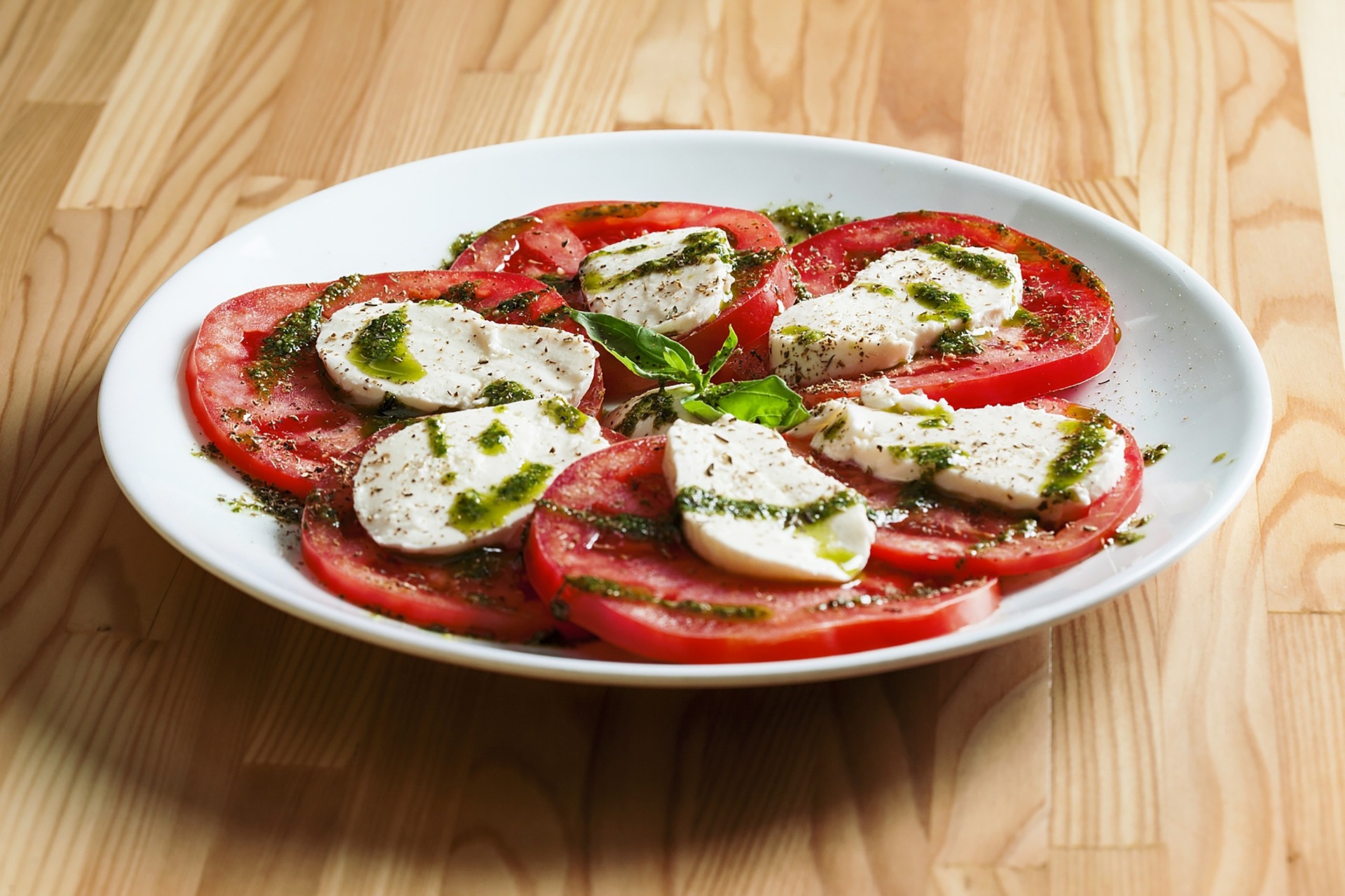
The Mediterranean diet is based on the traditional eating habits of people living in countries surrounding the Mediterranean Sea. It focuses on whole, unprocessed foods, including abundant fruits, vegetables, whole grains, legumes, nuts, seeds, and healthy fats such as olive oil. Moderate consumption of fish, poultry, dairy, and red wine is also encouraged. This dietary pattern is more than just a list of foods—it encompasses a holistic approach to eating that prioritizes fresh, seasonal ingredients and balanced nutrition.
Heart-Protective Components of the Mediterranean Diet
Several key factors contribute to the Mediterranean diet’s effectiveness in reducing heart disease risk in women. Firstly, its emphasis on plant-based foods provides a rich array of vitamins, minerals, and antioxidants that support heart health. Additionally, the inclusion of healthy fats, particularly monounsaturated fats from olive oil, helps to improve cholesterol levels and reduce inflammation, a key driver of heart disease. The Mediterranean diet’s reliance on whole grains, legumes, and nuts also contributes to its heart-protective effects, as these foods are high in fiber and promote healthy blood pressure and cholesterol levels.
Addressing Multiple Risk Factors
One of the remarkable aspects of the Mediterranean diet is its ability to address multiple risk factors associated with heart disease. By following this eating pattern, women can see improvements in blood pressure, cholesterol levels, blood sugar control, and weight management—all of which play vital roles in heart health. The Mediterranean diet’s holistic approach ensures that women are not just reducing one isolated risk factor, but addressing their overall cardiovascular well-being.
Promoting a Sustainable and Enjoyable Lifestyle
What sets the Mediterranean diet apart is its sustainability and enjoyment factor. Unlike fad diets that often lead to deprivation and short-lived results, the Mediterranean diet is a long-term lifestyle choice. It encourages the consumption of a wide variety of delicious, flavorsome foods and embraces the social and cultural aspects of dining. This approach makes it more likely for women to adhere to the diet over time, leading to lasting heart health benefits.
Empowering Women to Embrace the Mediterranean Magic
The study’s findings underscore the importance of empowering women with knowledge about the Mediterranean diet’s potential for reducing heart disease risk. Healthcare professionals, nutritionists, and community organizations have a critical role to play in providing education, resources, and support to women seeking to adopt this heart-healthy eating pattern. By equipping women with the tools to make informed choices and encouraging them to prioritize their heart health, we can create a ripple effect that extends to families and communities.
Conclusion:
The Mediterranean diet has revealed its magic in the fight against heart disease among women, showcasing an impressive 24% reduction in risk. By embracing this dietary pattern, women can enjoy a delicious and sustainable approach to eating while protecting their heart health. The Mediterranean diet’s emphasis on whole, nutrient-rich foods, along with its ability to address multiple risk factors simultaneously, makes it a valuable dietary approach for women of all ages. Let us celebrate this breakthrough and work together to empower women to embrace the Mediterranean diet and unlock the path to better heart health.





