



Discovering the Secrets of Rome’s Fava Bean Season: A Feast for the Senses
- Food Drink
- May 15, 2023
- No Comment
- 37
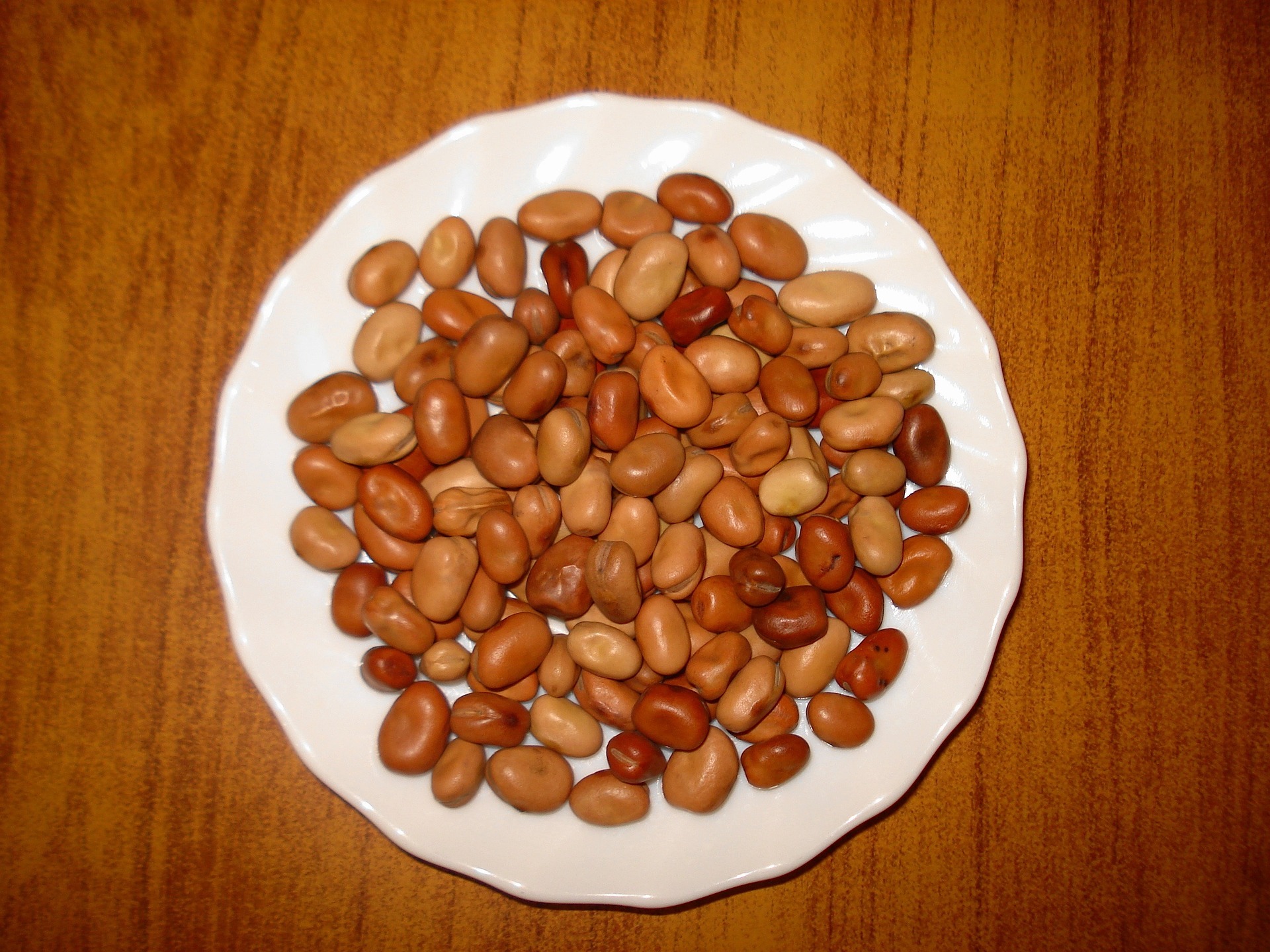
As winter turns to spring in Rome, the city prepares for one of its most cherished culinary traditions: the Fava Bean season. Known locally as “la stagione delle fave,” this time of year brings a renewed sense of excitement and anticipation to the city’s markets and kitchens. But while the arrival of fava beans is cause for celebration, it also comes with a warning: these unassuming legumes can be dangerous if not prepared correctly.
For centuries, fava beans have played an important role in Roman cuisine. They were a staple food in ancient times and were even used as a form of currency in some regions. Today, fava beans remain a beloved ingredient in dishes ranging from pasta and risotto to soups and stews. But perhaps the most iconic use of fava beans in Rome is in the classic dish known as “la vignarola.”
La vignarola is a springtime stew that combines fresh fava beans with other seasonal vegetables like artichokes, peas, and lettuce. The dish is a celebration of the new season, with each ingredient representing a different facet of springtime in Rome. The artichokes symbolize renewal and rebirth, the peas represent growth and prosperity, and the fava beans are a nod to the ancient agricultural traditions that have shaped the city’s culinary landscape.
But as much as fava beans are revered in Rome, they also come with a warning: if not prepared correctly, they can be toxic. Fava beans contain a compound called vicine, which can cause a condition known as favism in some individuals. Favism is a genetic disorder that can cause a range of symptoms, from mild anemia to life-threatening reactions like hemolytic anemia and kidney failure.
The risk of favism is highest in people of Mediterranean and Middle Eastern descent, and it’s estimated that around 400 million people worldwide are affected by the condition. In Rome, where fava beans are a cultural and culinary institution, the danger is especially acute. During the fava bean season, emergency rooms see a spike in cases of favism, and public health officials issue warnings urging people to be cautious when preparing and consuming fava beans.
So how can you safely enjoy the delicious flavors of Rome’s fava bean season? The key is to take precautions when preparing and cooking the beans. First, it’s important to remove the beans from their pods and then blanch them in boiling water for at least five minutes. This process helps to break down the vicine and reduce the risk of favism. Some people also recommend soaking the beans overnight before cooking them, although the effectiveness of this method is not clear.
Once the beans are blanched, they can be used in a variety of dishes. In addition to la vignarola, fava beans can be used in pasta dishes, risotto, and even salads. Some of the most popular preparations involve combining fava beans with other springtime ingredients like fresh herbs, pecorino cheese, and olive oil.
For those who want to experience the fava bean season in Rome firsthand, there are a number of festivals and events that celebrate this beloved ingredient. One of the most popular is the Festa della Fava in Marino, a town just outside of Rome. This festival, which takes place in late April, features food stalls, live music, and a parade of floats decorated with fava beans and other springtime produce.
Whether you’re a seasoned Rome veteran or a first-time visitor, the fava bean season is a time to celebrate the city’s rich culinary traditions and embrace the flavors of springtime. By taking the proper precautions when preparing fava beans, you can safely enjoy this beloved ingredient and experience the magic of la stagione delle fave.





