


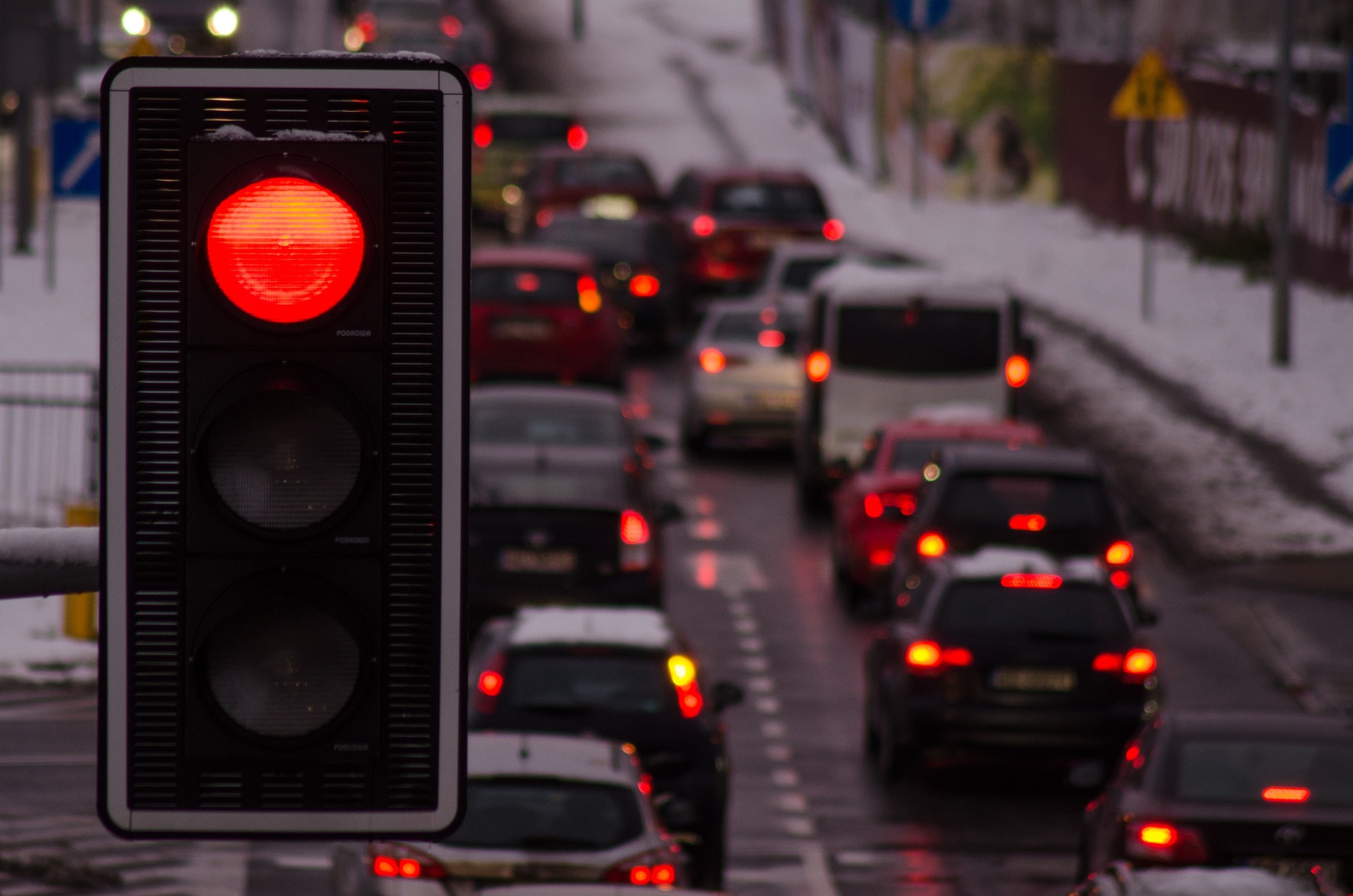

The consequences of bad driving in D.C.: 6 million traffic tickets go unpaid
- Autos & Vehicles
- May 3, 2023
- No Comment
- 36
Driving in Washington D.C. can be a frustrating experience for anyone. From navigating the city’s notoriously congested streets to dealing with aggressive drivers, it’s no surprise that many motorists end up with a traffic violation or two. However, what is surprising is the sheer number of unpaid tickets that are piling up in the nation’s capital.
According to a recent report from the D.C. Department of Motor Vehicles (DMV), more than 6 million traffic tickets have gone unpaid in the city over the past decade. This staggering number has raised concerns about the effectiveness of the city’s traffic enforcement policies and the impact that unpaid tickets may be having on public safety.
Unpaid traffic tickets can have serious consequences. In addition to fines and late fees, drivers with unpaid tickets may face additional penalties such as license suspension, vehicle impoundment, and even arrest. The DMV has estimated that the total amount of unpaid fines in the city is over $1 billion, a significant sum that could be used to fund important public services.
So why are so many drivers in D.C. not paying their tickets? There are a few factors at play. First and foremost, many drivers simply can’t afford to pay. According to a 2019 report from the Urban Institute, a nonpartisan research organization, 38% of D.C. residents live in households that are unable to afford basic needs such as food, housing, and healthcare. For these individuals, paying a traffic ticket may simply not be feasible.
Another factor is the perception of unfairness in the ticketing process. Some drivers feel that they have been unfairly targeted by police or that the fines are disproportionate to the offense. Others feel that the city’s parking and traffic laws are overly complex and confusing, making it difficult to know when and where they are allowed to park.
Additionally, the pandemic has exacerbated the problem of unpaid traffic tickets. With many people out of work or experiencing financial hardship, paying a traffic ticket is likely not a priority for many. The city has attempted to address this issue by offering payment plans and waiving late fees, but it’s unclear how effective these measures have been.
The consequences of unpaid traffic tickets can be far-reaching. Not only do they lead to lost revenue for the city, but they can also contribute to an overall sense of lawlessness on the roads. Drivers who feel that they can get away with breaking traffic laws are more likely to continue doing so, potentially putting themselves and others in danger.
The D.C. government is aware of the problem and has taken steps to address it. In addition to offering payment plans and waiving late fees, the city has also implemented new technology to help track down drivers with outstanding tickets. For example, the DMV now has access to license plate recognition technology, which can scan thousands of plates per hour and quickly identify vehicles with unpaid tickets.
However, there is still much work to be done. The city may need to explore other options, such as reducing fines for low-income drivers or simplifying the parking and traffic laws to make them more accessible. Ultimately, the goal should be to create a fair and effective system that encourages drivers to follow the rules of the road and ensures public safety.
In conclusion, the problem of unpaid traffic tickets in D.C. is a complex issue that requires a multifaceted solution. While the city has taken steps to address the problem, there is still much work to be done to ensure that all drivers are held accountable for their actions on the road. It’s a problem that affects everyone who uses the city’s roads and deserves the attention and resources necessary to find a lasting solution.





