


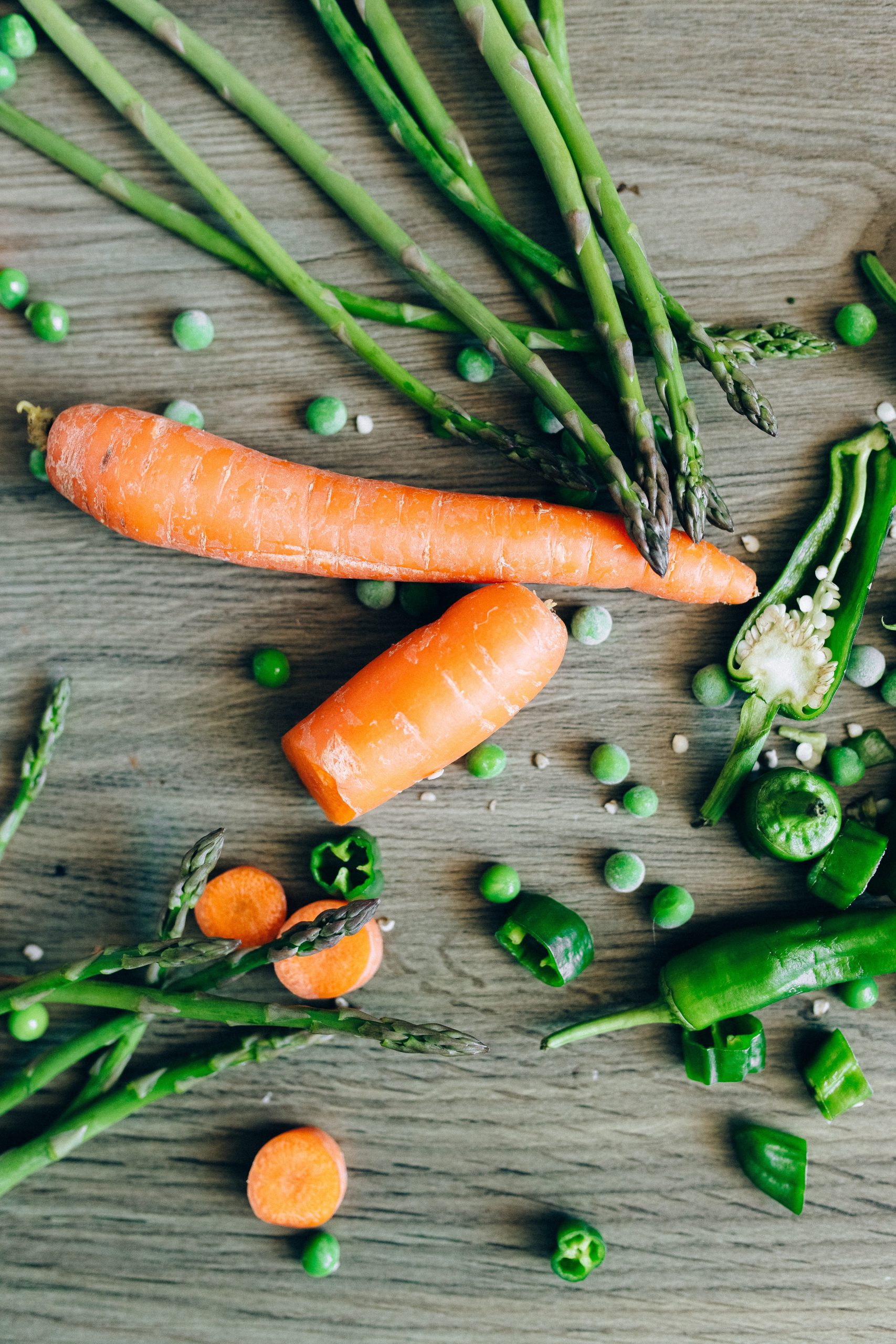

Comparing Apples to Oranges (and Carrots and Spinach): The Benefits of Mixing Up Your Veggie Intake
- Food
- April 28, 2023
- No Comment
- 35
Are you tired of the same old vegetables on your plate? It’s time to mix things up! By incorporating a variety of veggies into your diet, you can reap a whole host of health benefits. Not only will this add more flavor and color to your meals, but it can also improve digestion, boost immune function, and prevent chronic diseases. So let’s dive in and explore how mixing up your veggie intake can make a big difference in your overall health and wellbeing!
What are the benefits of mixing up your vegetable intake?
Eating a variety of vegetables is essential for maintaining good health. By mixing up your veggie intake, you can ensure that your body gets all the nutrients it needs to function optimally.
Firstly, different types of vegetables contain unique combinations of vitamins and minerals. For example, leafy greens like spinach and kale are rich in vitamin K and folate, while carrots are high in beta-carotene and vitamin A. Eating a wide range of veggies ensures that you’re not missing out on any important nutrients.
Secondly, consuming different colors of vegetables provides various health benefits. Red veggies such as tomatoes contain lycopene which can help prevent heart disease, while purple veggies like eggplants have anthocyanins that may improve brain function.
Eating a diverse range of vegetables supports gut health by promoting the growth of beneficial bacteria in the digestive tract. This leads to better digestion and absorption of nutrients from food.
In summary, incorporating an array of colorful veggies into your diet can provide numerous health benefits for your body inside and out!
What are the best vegetables to eat?
When it comes to choosing the best vegetables to eat, variety is key. Different colored veggies offer different nutrients and benefits for your body. Here are some of the top picks:
Leafy Greens:
Leafy greens like spinach, kale, and Swiss chard are packed with vitamins A, C, K and minerals like iron and calcium. They’re also low in calories making them a great option for weight loss.
Cruciferous Vegetables:
Broccoli, cauliflower and Brussels sprouts all fall under this category. These veggies contain high amounts of fiber which helps with digestion as well as cancer-fighting compounds known as glucosinolates.
Root Vegetables:
Carrots, sweet potatoes and beets are just a few examples of root vegetables that pack a nutritional punch. They’re high in antioxidants like beta-carotene which help protect against disease while also providing important vitamins like vitamin C.
Colorful Peppers:
Peppers come in many colors such as reds oranges yellows and greens- each color having its unique nutrient composition! Red peppers have more vitamin c than green peppers while yellow or orange bell peppers provide more Vitamin A!
Mixing up these veggies will give you an amazing balance between nutrition value AND flavor!
How do you mix up your vegetable intake?
One of the easiest and most effective ways to mix up your vegetable intake is by trying new recipes. This can be as simple as swapping out one vegetable for another in a favorite dish or experimenting with completely different flavors and cuisines.
Another way to ensure variety is by shopping seasonally. Different vegetables thrive during different times of the year, so taking advantage of what’s available locally can introduce you to new favorites while also supporting local farmers.
Meal prepping is another great strategy for mixing up your veggies. By preparing meals ahead of time, you can make sure that each meal includes a variety of colors and nutrients without having to think about it every day.
If you’re someone who likes structure, consider creating a weekly meal plan that incorporates different types of vegetables throughout the week. This could mean dedicating Mondays to leafy greens, Wednesdays to cruciferous vegetables like broccoli and cauliflower, and Fridays to root vegetables like sweet potatoes.
Don’t be afraid to experiment with less commonly used veggies like fennel or kohlrabi. These unique options may seem intimidating at first but can add flavor and nutrition when incorporated into dishes in unexpected ways!
Conclusion
Incorporating a variety of vegetables into your diet is essential for maintaining good health. By mixing up your vegetable intake, you can ensure that you are getting all the necessary nutrients and vitamins needed to fuel your body. Eating different types of vegetables also keeps meals interesting, and it’s an easy way to experiment with new flavors.
Remember to include a mix of leafy greens, cruciferous veggies, root vegetables, and colorful options like peppers and tomatoes in your meals. Try new recipes or switch up how you prepare certain veggies to keep things exciting.
In summary, don’t limit yourself to just one type of vegetable – aim for variety! Your body will thank you with improved energy levels and overall health. So go ahead and mix it up by adding some carrots or spinach to those apples and oranges in your next salad or snack plate.





