


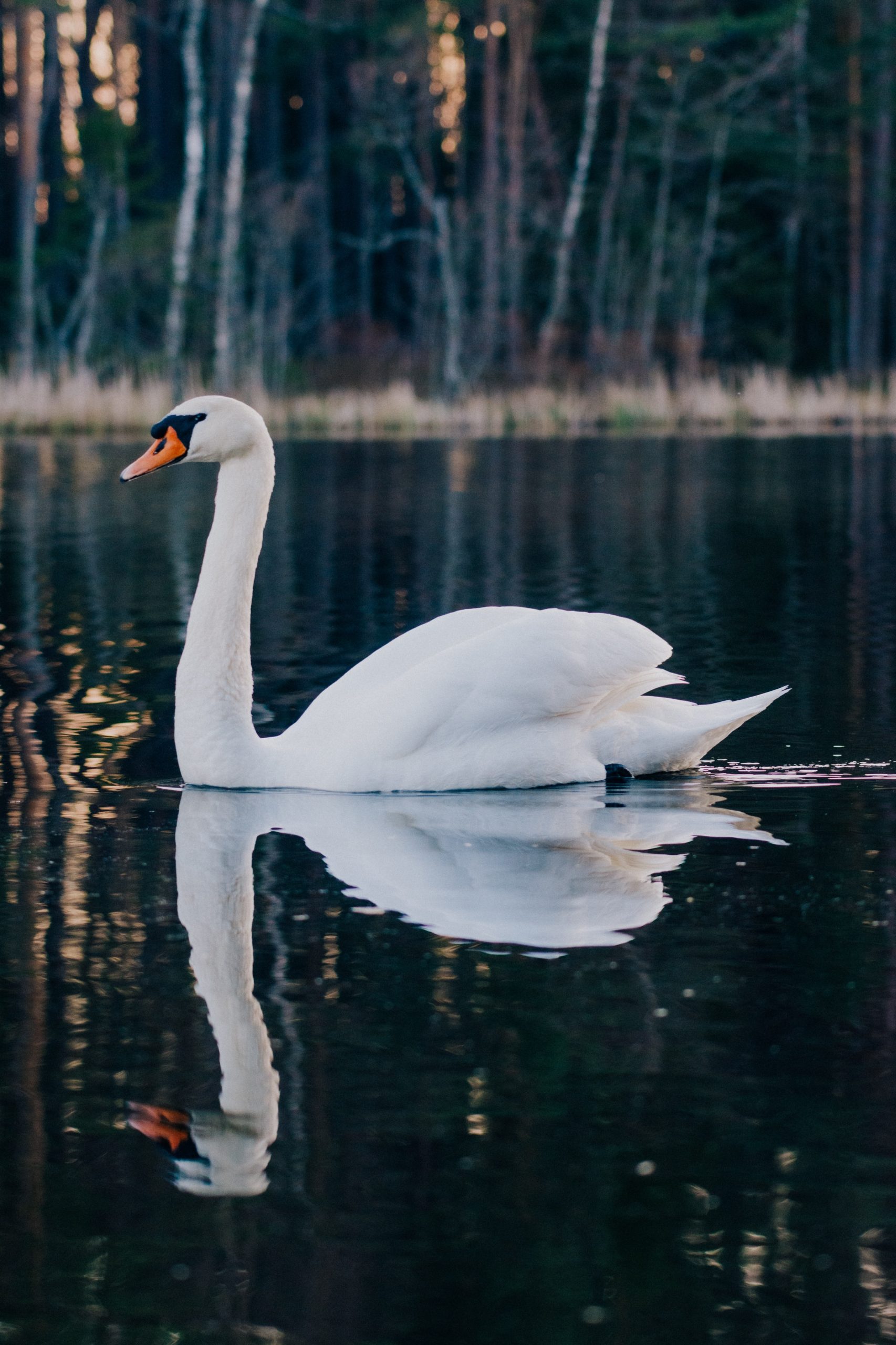

How Swans Adapt to Their Environments
- Pet and animal
- April 28, 2023
- No Comment
- 41
Swans are fascinating creatures that have evolved to adapt to a wide range of environments, from the freezing waters of the Arctic to the bustling parks and lakes of urban areas. Their adaptations are remarkable, allowing them to thrive in different habitats and survive in challenging conditions. Here are some ways swans adapt to their environments.
Arctic Swans
Swans that live in the Arctic have to endure some of the harshest conditions on the planet. During the winter, the water they live in is frozen, and they have to rely on a layer of fat to stay warm. They also have special adaptations that help them survive in the cold, such as a high density of feathers and a thick layer of down that provides insulation. Additionally, they have a unique circulatory system that helps them regulate their body temperature. Swans also have a unique feeding strategy that allows them to access food in the ice-covered water. They use their long necks to reach under the ice and graze on the vegetation that grows on the bottom of the water.
Temperate Swans
Swans that live in temperate regions, such as Europe and North America, have different adaptations. They often live in areas with abundant vegetation and open water, such as lakes, rivers, and marshes. They use their long necks to reach underwater and pull up vegetation, which they then filter through a special structure in their bills called a lamellae. This allows them to extract nutrients from the vegetation and discard the excess water.
Urban Swans
Swans that live in urban areas face a different set of challenges. They have to adapt to living in close proximity to humans, often in small ponds or lakes in parks and gardens. They have to compete with other birds and animals for food and nesting sites, and they may also be exposed to pollution and other environmental hazards. Despite these challenges, urban swans have adapted well to their environment. They have become accustomed to humans and often approach them in search of food. They also use their intelligence to adapt to changes in their environment, such as learning to feed on discarded food and using man-made structures as nesting sites.
In conclusion, swans are adaptable creatures that have evolved to survive in a wide range of environments. From the harsh conditions of the Arctic to the urban parks and gardens of our cities, they have developed unique adaptations that help them thrive. By understanding these adaptations, we can gain a deeper appreciation for these magnificent birds and the incredible diversity of life on our planet.





