


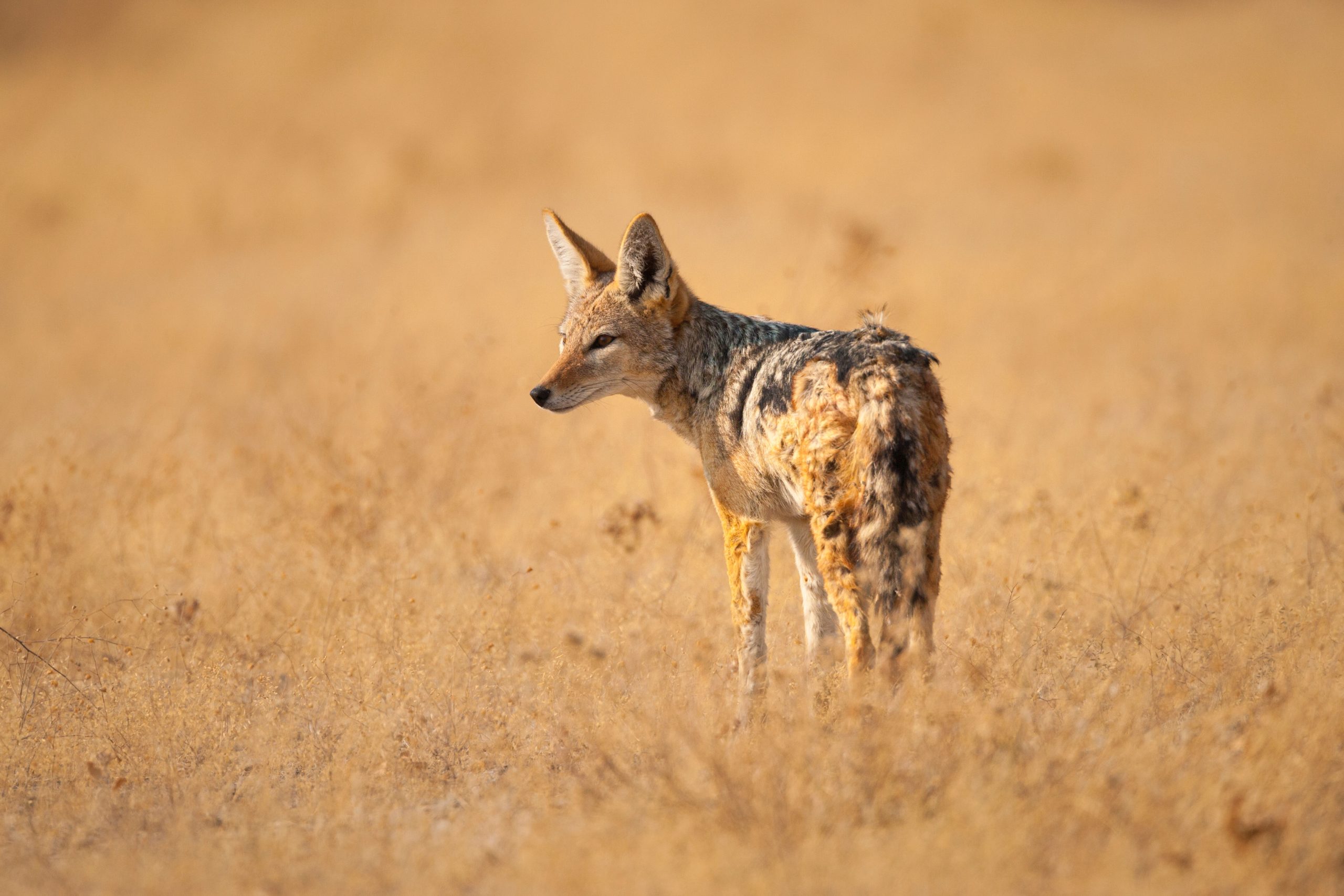

Uncovering the Mysteries of Jackal Communication and Behavior
- Pet and animal
- April 27, 2023
- No Comment
- 37
Jackals are fascinating animals that have captured the attention of scientists and nature enthusiasts alike. One of the most intriguing aspects of jackals is their complex communication and behavior. In this article, we’ll explore some of the mysteries of jackal communication and behavior, and what researchers have discovered about these resourceful canines.
Social Behavior
One of the most interesting aspects of jackal behavior is their social structure. Jackals are typically social animals that live in packs, which can range in size from a few individuals to more than a dozen. Within a pack, there is a strict hierarchy that determines the roles and behaviors of each individual. The alpha male and female are typically the leaders of the pack, and are responsible for defending the territory, mating, and raising young.
Communication
Jackals use a variety of vocalizations and body language to communicate with each other. One of the most distinctive vocalizations is the “yip,” which is a high-pitched, repetitive call that is used to locate other members of the pack. Jackals also use growls, barks, and whines to communicate different messages, such as warning of danger or indicating the presence of food.
In addition to vocalizations, jackals also use body language to communicate with each other. For example, submissive jackals will lower their heads and tails, while dominant individuals will stand tall and hold their tails up. Jackals also use physical contact, such as nuzzling or grooming, to reinforce social bonds within the pack.
Mating and Reproduction
Jackals typically mate for life, and both the alpha male and female are involved in raising their young. Females give birth to litters of up to six pups, which are born blind and helpless. The pups are cared for by the entire pack, and are fed regurgitated food by adult members of the pack. As they grow older, the pups are gradually weaned and begin to learn important social and survival skills from the other members of the pack.
Challenges Facing Jackals
Despite their fascinating behavior and communication, jackals face a number of challenges that threaten their survival. Habitat loss and fragmentation, hunting and trapping, and conflict with humans are all major threats to jackal populations around the world. In some areas, jackals are viewed as pests and are actively hunted or poisoned in order to protect livestock or crops.
Conclusion
In conclusion, jackals are remarkable animals that have captivated the attention of researchers and nature enthusiasts for centuries. Their complex social behavior and communication make them a fascinating subject for study, and researchers continue to uncover new insights into the mysteries of jackal behavior. However, jackals face a number of challenges that threaten their survival, and it is important that we work to protect these important animals and the ecosystems they inhabit.





